

Chemical Peel Gallery
$$MultiPurposeText$$
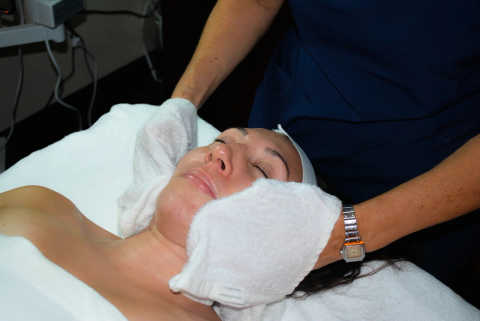
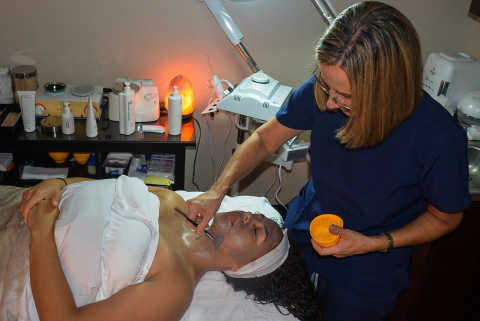
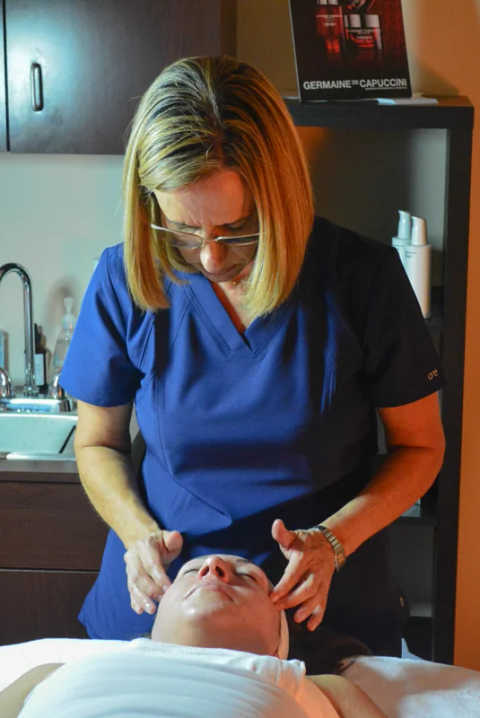
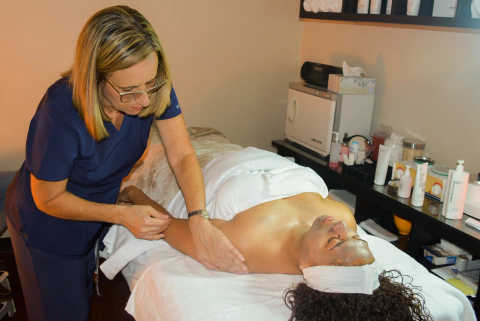
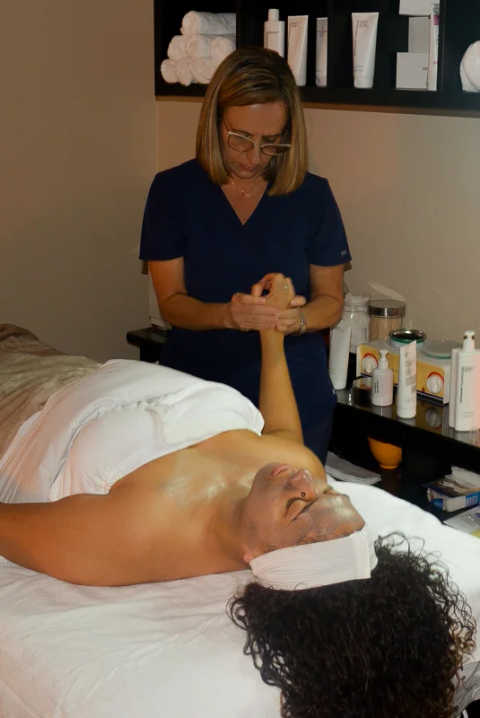
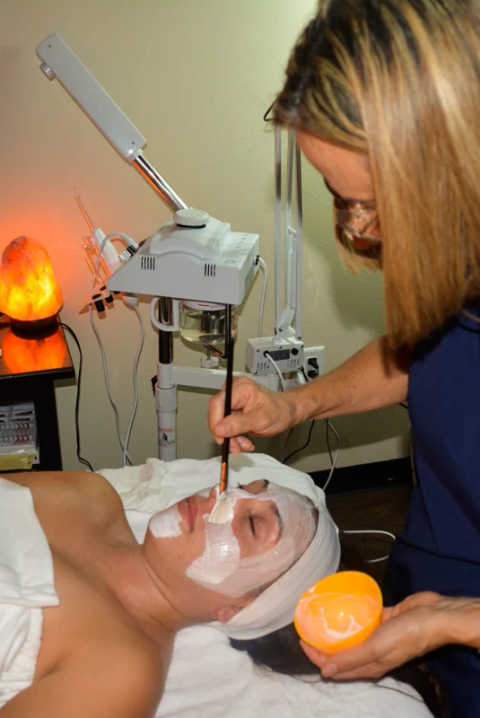
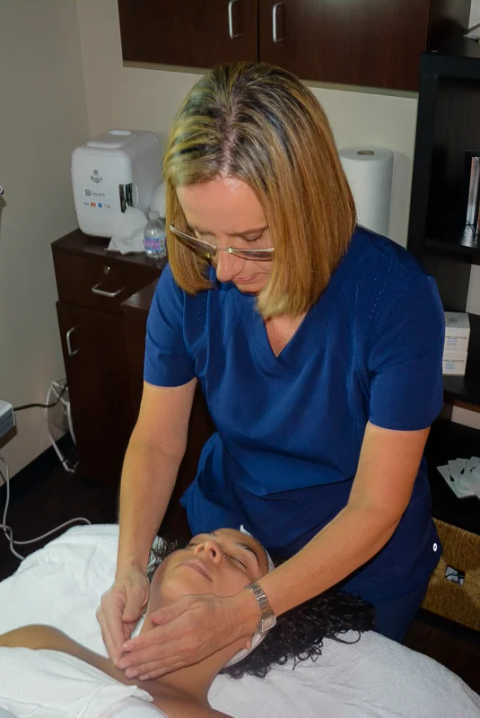
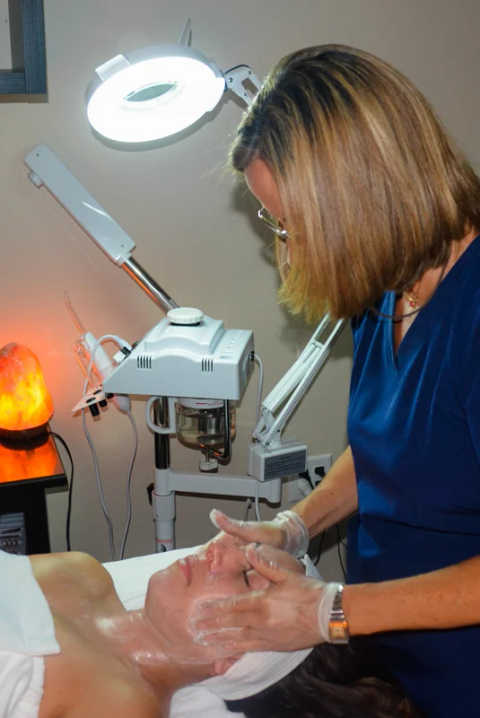
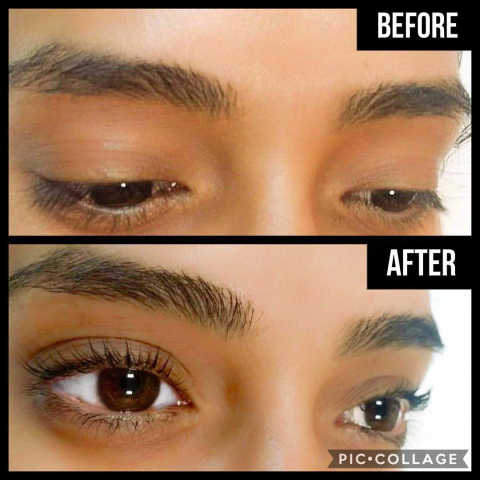
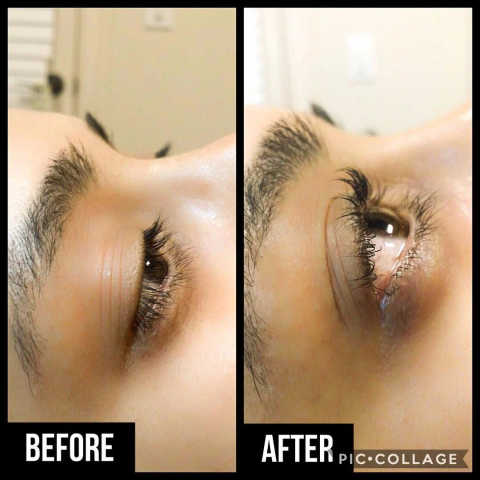
See examples of our Chemical Peel work and results.


What Our Clients Say
$$MultiPurposeText$$
Read testimonials from our satisfied customers

Beatriz has magical hands! The most relaxing complete facial experience!!! Trust her a 100...more

Beatriz has been giving me facials for years now and I really enjoyed the services she had...more

Beatriz was super nice! I wanted to get a facial, and I don’t regret choosing her. Highly ...more

I’ve been seeing Beatriz for the past 2 years now, and she is truly amazing! Her facials a...more

I’ve been visiting her esthetic for many years and always I get the same professional expe...more

Beatriz is the best! I love how my skin glow after getting a facial! Thx Beatriz

Frequently Asked Questions
Get answers to common questions about Chemical Peel.
Most clients feel tingling or mild stinging during application; stronger peels can cause more intense sensations. Your specialist monitors comfort, adjusts strength, and applies neutralizer if needed. Discomfort is temporary and typically subsides shortly after treatment.
Recovery varies by peel depth: light peels need minimal downtime; medium peels can cause several days of peeling and redness; deep peels require longer healing. Your therapist will explain expected timeline and aftercare to ensure safe, effective recovery.
Number of sessions depends on skin concerns and peel strength: mild improvement often visible after one treatment; best outcomes for acne scarring or hyperpigmentation often need a series spaced several weeks apart, typically three to six sessions.
Yes—properly selected peels can reduce acne, unclog pores, and fade dark spots. Treatment choice depends on skin type and severity. Our estheticians customize peel formulas and pre/post care to maximize effectiveness while minimizing irritation and pigmentation risks.
Clients who are pregnant, breastfeeding, using isotretinoin, or with active cold sores, open wounds, or certain skin conditions may need to avoid peels. A consultation and medical history ensure safety; always disclose medications and recent treatments.
Gentle cleansing, daily broad‑spectrum SPF, and avoided sun exposure are essential. Use soothing moisturizers and prescribed serums, skip harsh exfoliants, and follow clinic instructions. Proper aftercare speeds healing, reduces complications, and prolongs visible benefits.
Read more about Chemical Peel
$$MultiPurposeText$$
Explore our latest insights and guides on Chemical Peel.

What a Chemical Peel Actually Does: Benefits, Downtime, Results
Published On: July 18, 2026